The short answer
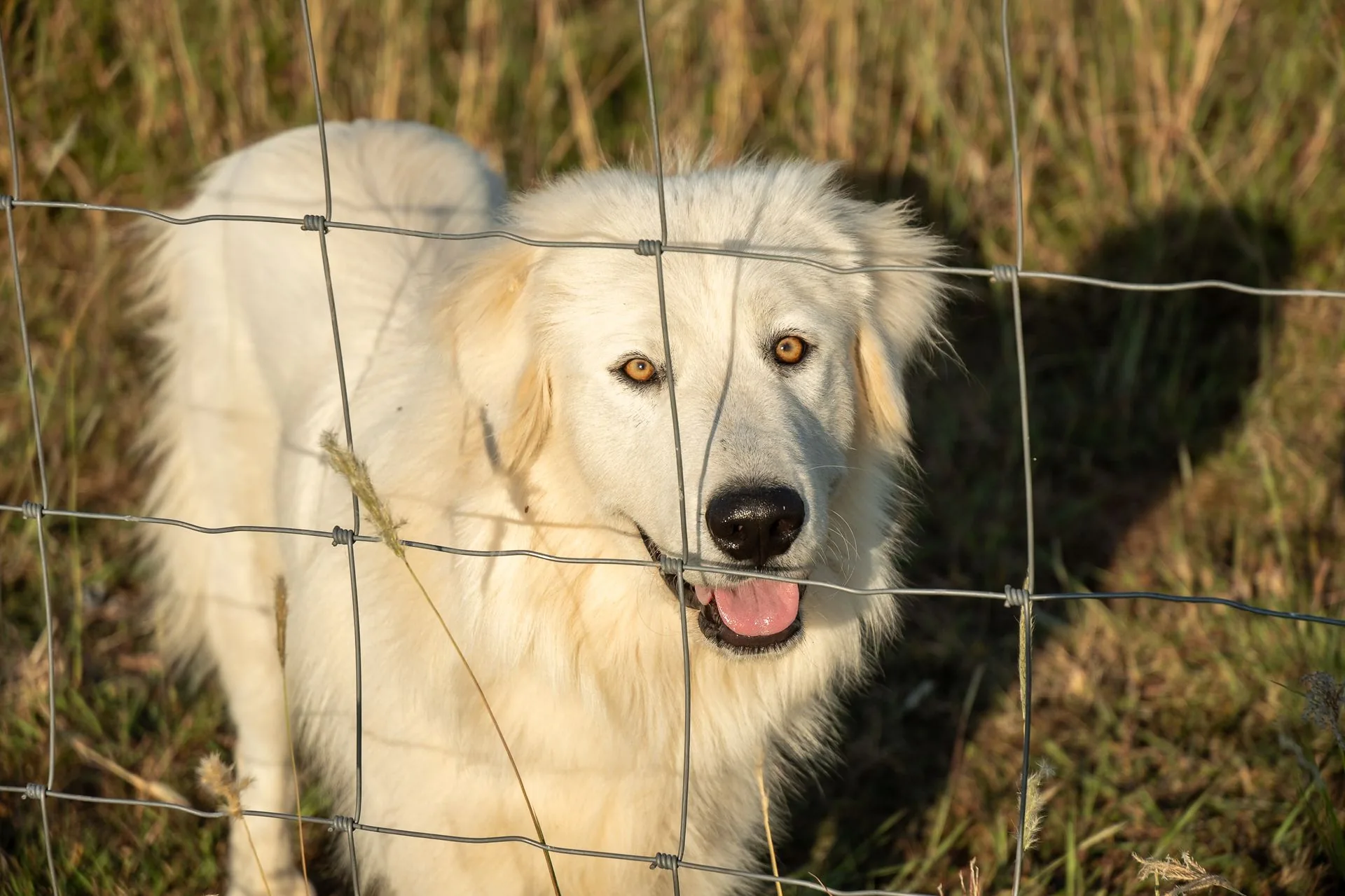
The best dog fence is tall, strong, and secure enough for the specific dog. Size, jumping, climbing, digging, reactivity, and the space between pickets or mesh all matter. Gate latches and bottom clearance are just as important as the fence material.
Start with the dog, not the material
A calm small dog and an athletic climber do not need the same enclosure. Consider the dog's adult size, behavior around people and animals, and whether it digs or pushes against barriers. A fence that worked for a previous pet may not be secure for a new one.
Open fencing lets dogs see outside, which some owners prefer. For reactive dogs, that visibility may lead to more barking or fence running. A solid privacy fence can reduce visual triggers, though sound and scent still carry.
Details that prevent escapes
Check the space under the fence, around gates, and where grade changes create gaps. Small dogs can fit through openings that look harmless. Digging dogs may need a buried barrier, apron, or other site-specific solution. Climbers may use horizontal rails or nearby objects as steps.
- Choose a height based on jumping and climbing ability
- Use openings and mesh that suit the dog's size
- Keep furniture, bins, and stacked materials away from the fence
- Use reliable gate latches that visitors cannot leave half closed
A fence does not replace supervision
Inspect the enclosure regularly for loose boards, bent fabric, holes, soil movement, and gate problems. Dogs can turn a small weakness into an exit quickly. Tags, microchipping, training, shade, water, and supervision remain important even with a secure fence.
Tell the installer about the dog before the layout is finalized. That information affects height, gaps, gate hardware, and transitions around decks, sheds, and neighboring fences.