The short answer
A small, straightforward fence may be installed in a few working days. Larger sites, demolition, difficult ground, concrete curing, custom gates, weather, permits, and material lead times can extend the project from days to several weeks.
The work often happens in stages
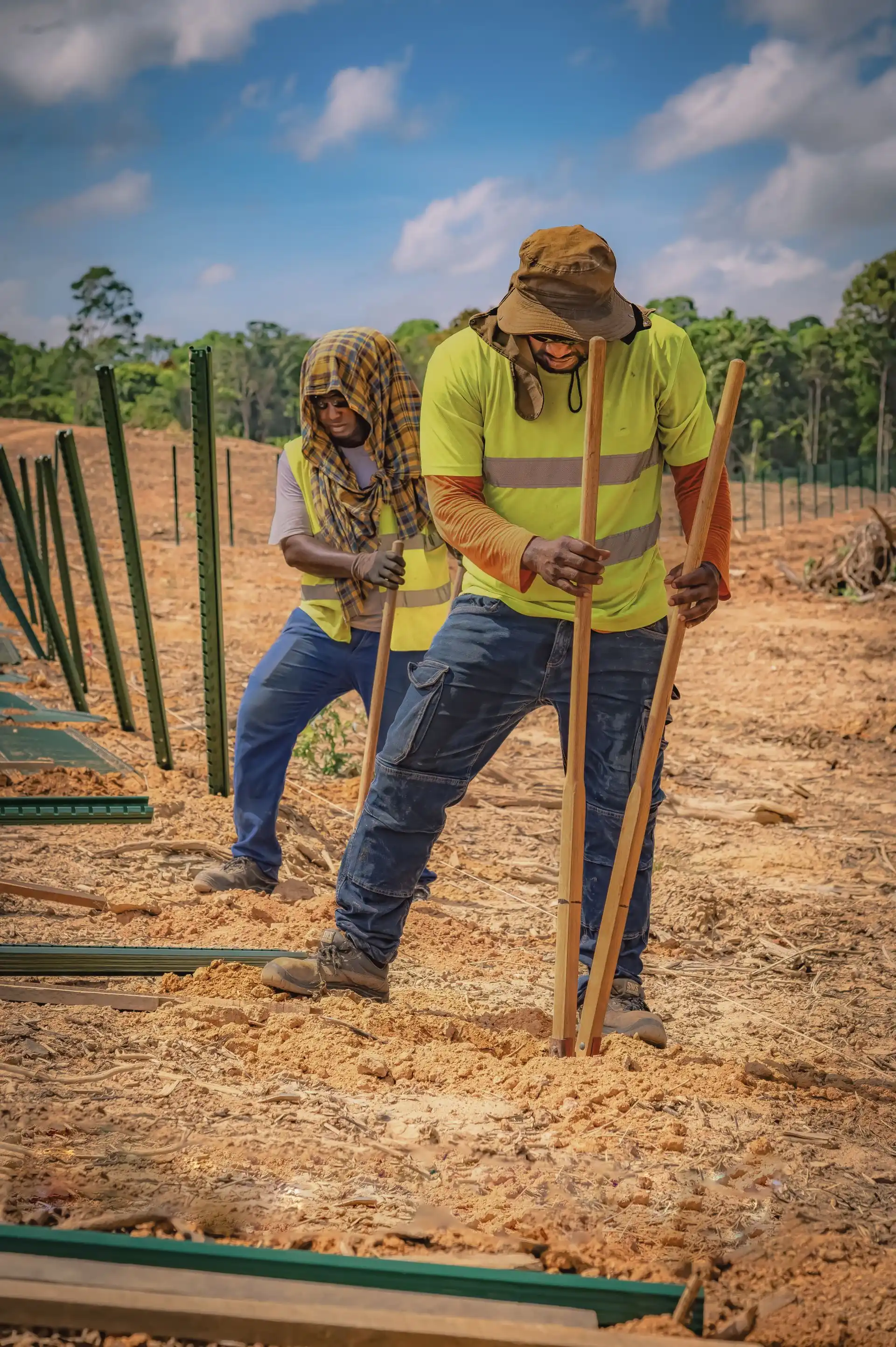
Layout and utility marking come first. Removal may follow if an old fence is present. Posts are then set, and some systems need time before rails, panels, fabric, or heavy gates are attached. Cleanup and final adjustments complete the job.
The crew may not be on site every hour between stages. Concrete cure time, inspections, or custom gate preparation can create planned gaps without meaning the project has stalled.
Common causes of a longer schedule
Rocky soil, buried debris, steep grade, limited access, and many corners slow production. Tall fences and large gates also require heavier components and more careful alignment. If the fence connects to masonry, buildings, or an older system, fitting the transition can take additional time.
- Old fence removal and disposal
- Custom or automated gates
- Weather and unsuitable ground conditions
- Material backorders or special finishes
- Permit, utility, or inspection timing
How to keep the project moving
Make layout, material, height, and gate decisions before the start date. Clear stored items, vegetation, pet equipment, and vehicles away from the work area. Resolve property-line questions and arrange required utility markings early.
Ask the contractor what must happen before day one and whether pets, children, or tenants need a temporary enclosure while the old fence is down. A short planning conversation can prevent avoidable delays once the crew arrives.