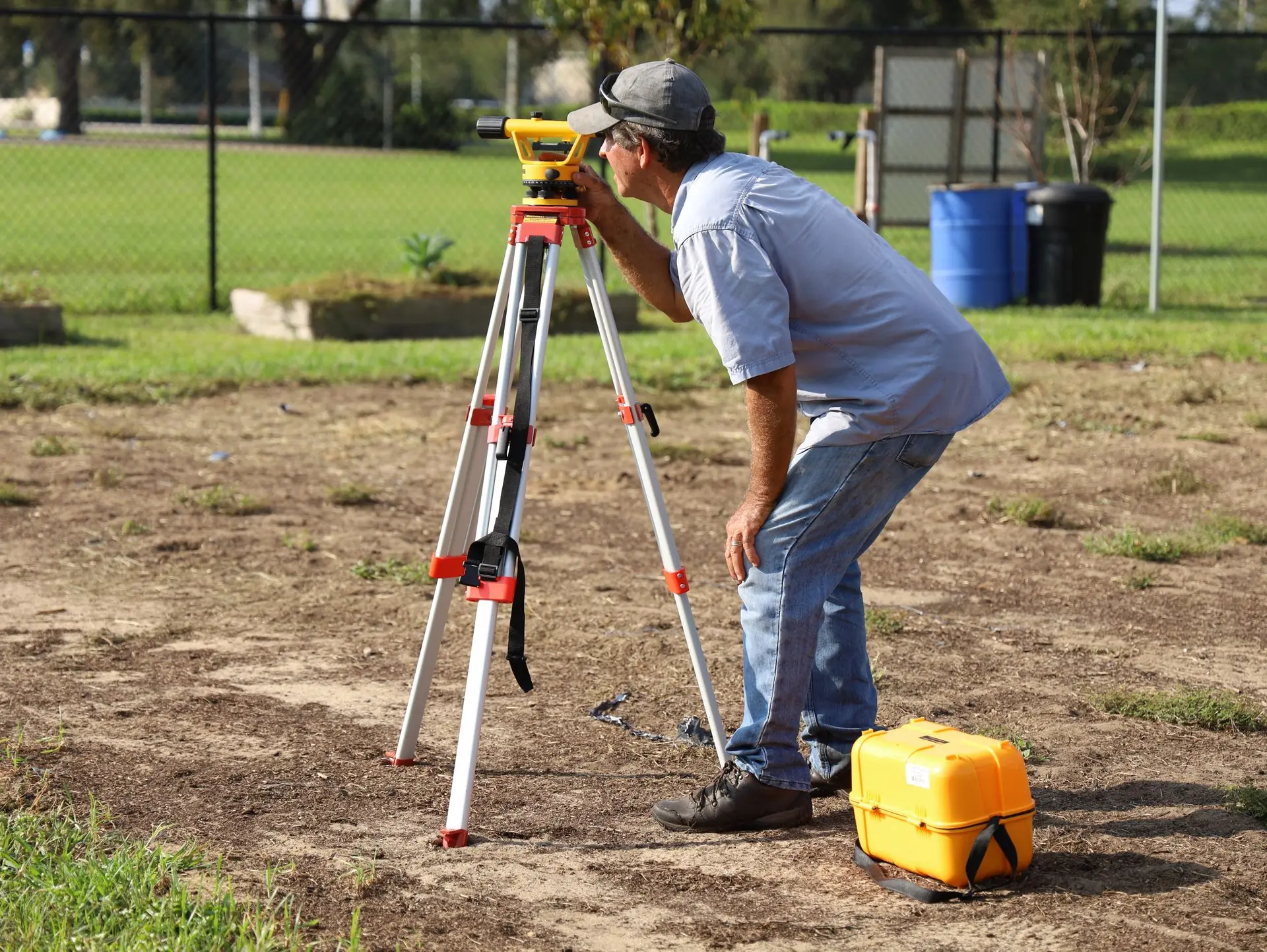
The short answer
A survey is wise when the property line is uncertain, disputed, missing visible corner markers, or close to where the fence will be installed. A fence contractor can follow a marked line, but should not be expected to determine the legal boundary.
Why existing features are not proof
An old fence may have been placed inside the line, moved over time, or installed without a survey. Hedges, mowing patterns, utility boxes, and online parcel maps are also not reliable legal markers. They can suggest where a boundary is, but that is different from establishing it.
Building on the wrong side can create conflict and may require the fence to be moved. The cost of correcting that mistake can be far greater than confirming the line first.
When a survey is especially useful
Consider a licensed survey when the fence will sit close to a neighbor, public right-of-way, alley, easement, or shared driveway. It is also useful on newly purchased property, acreage with few visible markers, and sites where records or neighboring improvements do not agree.
- No visible or trusted corner markers
- A neighbor questions the proposed line
- The fence is close to a setback, easement, or access route
- The project involves a long or expensive fence
What the fence installer still needs
Once the line is established, show the installer the marked corners and discuss whether the fence should sit directly on the boundary or slightly inside it. Confirm local setback and permit requirements separately, since a survey identifies the property but does not approve the fence design.
Utility locating is another separate step. Property corners do not show buried electric, gas, communication, irrigation, or other lines. Arrange required utility markings before digging begins.